Writer Eddie Saint-Jean.
The UK’s local, mayoral, Welsh and Scottish Parliament elections saw significant swings to Conservatives across Labour heartlands. Political commentators had viewed the Hartlepool by-election as a key indicator of Labour’s support in the north-east of England but they lost this constituency and many others across the red wall. Jill Mortimer’s resounding win was the first by a Conservative since since the seat was created and the 7,000 vote margin showed Labour’s weakening hold on its north-east heartland. Also, Durham county council had been Labour since 1925 but went to the Conservatives.
Conservatives control 61 councils gaining 13 councils and 235 councillors
Labour control 44 councils losing 8 councils and 326 councillors
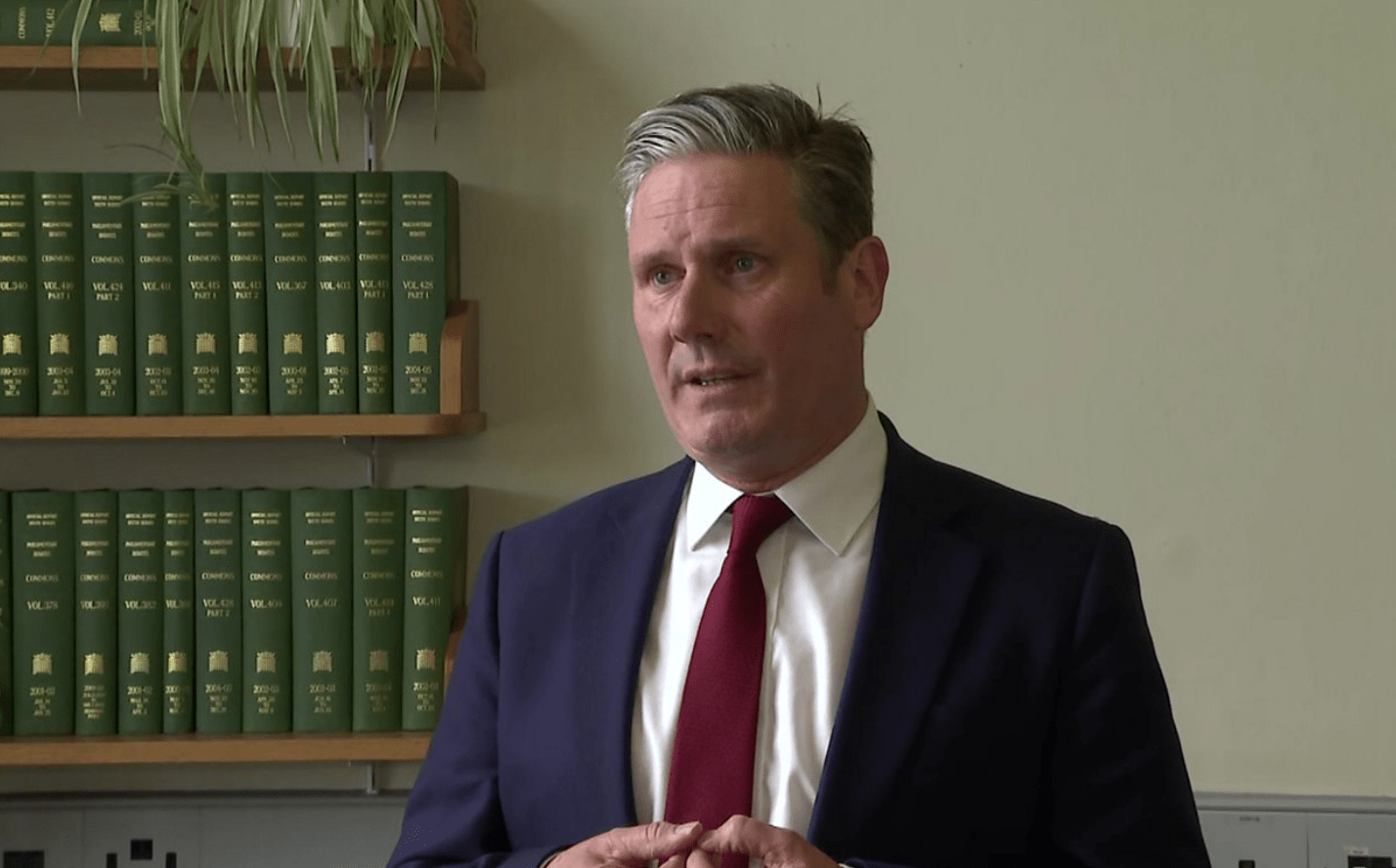
Notable Labour wins in Cambridgeshire and Peterborough where Nik Johnson won the mayoral election by 51% of the vote, ousting the Tory mayor. Labour pretty much swept the ballot box in the mayoral elections, even taking seats from the Conservatives. Otherwise, the shaky Labour results were described as ‘bitterly disappointing’ by Keir Starmer and appeared to be an endorsement of Boris Johnson’s handling of Brexit and the pandemic and a thumbs up for devolved government.
The inevitable Labour in-fighting has begun and Keir Starmer’s sacking and reshuffling of shadow cabinet members has only accentuated the divisions. The axe fell on party chair and national campaign coordinator Angela Rayner but colleagues such as re-elected Greater Manchester mayor Andy Burnham soon rallied round.
Angela Rayner promised frontline cabinet position in reshuffle
There was general disbelief that a woman MP from the north-west with a working class background should take the rap for Labour’s poor performance at a time when the blue collar northern heartland feel increasingly isolated. Many voters gave this sense of isolation as the reason they voted Conservative in this election and in 2019.
Andy Burnham: “Labour are too London-centric.”
The Labour Party must now re-evaluate both policy and party leadership. Party members are increasingly split between centrists and left-wingers. The arguments in favour of repeating the success of the Tony Blair years are countered by calls for leftist policies that will win back the working-class vote.
Tony Blair won by a landslide in 1997 and this success was powered by a ‘centrist’ approach rebranded as New Labour. In Labour terms his stewardship was staunchly right of centre but won three back-to-back terms becoming the most successful Labour leader in history; only Harold Wilson’s seven-year term comes close. It has to be noted that only ‘centrist’ Labour leaders have had landslide success at the ballot box: Blair in 1997, Harold Wilson in 1966 and Clement Attlee in 1945.
Even though the hard left try to claim Attlee as one of their own, his post-war moderate, pragmatism actually led to the resignation of cabinet minister Aneurin Bevan, who was fiercely left-wing and a driving force behind the creation of the NHS. Leftists might also claim Harold Wilson was a Bevanite – yes, but only in the early part of his career. While campaigning to become PM and once in power he sat comfortably in the centre and even tried unsuccessfully to control trade union power.
Identifying what led to previous Labour Party election success is never as simple as right, left or centre political philosophies. Both Wilson and Attlee won when the nation needed economic restructuring and voters were driven to reach beyond the Conservative domination of UK politics since the eighteenth century. Left-wingers maintain that this as proof that socialism, nationalisation and other radical measures are what the electorate really want. Centrists claim radical lefties Jeremy Corbyn and Michael Foot gave the party historic ballot box defeats: Foot handing them their worst trouncing since 1918 and Corbyn 1935.
Keir Starmer’s soul searching must involve an examination of the success of devolved power as seen by their sweeping victories in the mayoral elections. There’s a sense that the electorate trusts Labour to meet the needs of its working class base through regional metro mayors but not through its party leader and as central government.
Writer – Eddie Saint-Jean
 Westminster World