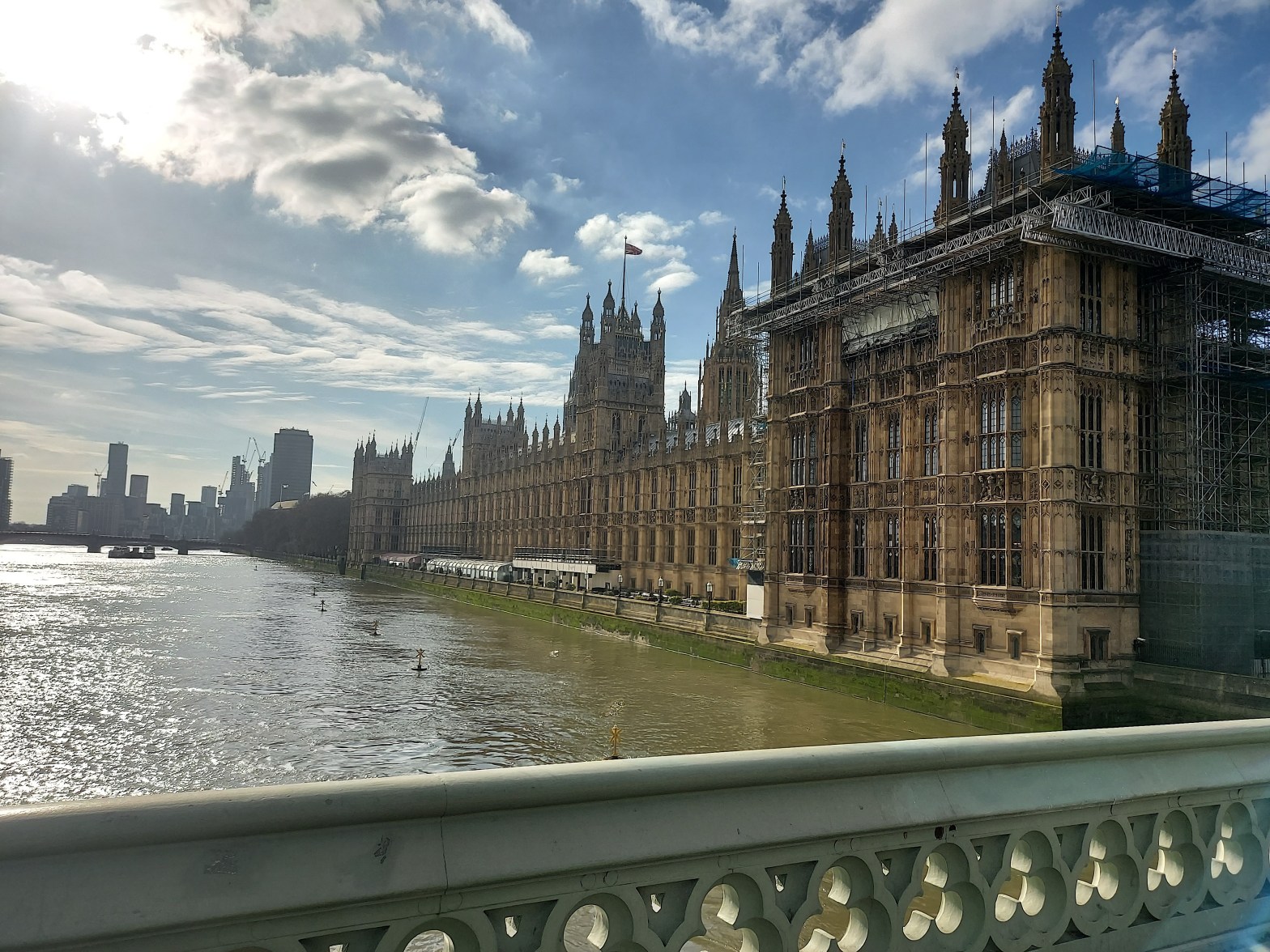
With the roadmap out of lockdown underway, the time has come for the Prime Minister Boris Johnson to address the trade and business road blocks which have left businesses and workers alike unable to see a clear way forward. He need look no further than the confused traders dotted around Westminster to find evidence of this.
The double impact of Covid 19 lockdown and Brexit restrictions has left many businesses close to bankruptcy and others stumbling in and out of lockdown with dwindling revenue. The PM is, of course, in a difficult position with the three lockdowns necessary to halt the spread of the virus, but a virus lockdown is also an economic lockdown.
It’s already the worst economic shock in UK history – certainly, in three centuries. Britain’s economy dropped 9.9% in 2020, the steepest since the Great Frost of 1709 and now its economy sits at the bottom of the G7 group of major western economies. The projected 2.6 million unemployed by summer 2022 will also hit families, communities, businesses and the economy.
Britain’s ties with Europe were formally ended on December 31st with a post-Brexit trade deal, but new border checks, paperwork and duties are hitting tourism and trade. The Governor of the Bank of England Andrew Bailey warned there was no such thing as a friction-less deal and, indeed, Brexit red tape and new tariffs mean UK companies face increased costs when shipping to Europe.
Johnson had promised zero duties between the UK and Europe and his reluctance to give assurances has led to some major companies threatening to relocate to Europe. No doubt, the 600,000 a year extra customs declarations they now face has added to their lack of confidence in seamless transit. Over half of all businesses exporting to the EU are confused by these new tariffs.
The visa-free travel once taken for granted is now a big issue with each EU country having its own rules on visas and work permits. The creative and entertainment sectors must find a way to navigate the new restrictions around touring Europe now Brexit has disrupted revenue, employment and cultural exchange. Covid 19 quarantine checks have added to the difficulties.
The National Theatre recently called a halt to European tours until greater clarity is given. As it stands, the greater costs and confusion around such tours make them best avoided for some. However, stars such as Elton John, Sir Ian McKellan and Sir Patrick Stewart have asked for visa-free travel for these affected industries. The PM has refused to introduce a waiver.
This turbulent transition away from a single market, customs union and the free trade zone has hit the value of the pound. The UK has already forfeited 1.8% of potential GDP and according to Bloomberg Economics economic growth will be 0.5% lower a year for at least a decade. It is, without question, Britain’s biggest economic fissure since the Second World War – even without factoring in the economic fallout from the pandemic.
Yes, in the short term this shaky interdependency is also harmed by the different Covid 19 quarantine requirements in these countries and business lockdown but there are fears that our economic relationship with these countries will be exposed most by Brexit, not Covid, when foreign investment drops as low as 37%.
Meanwhile, local landmark businesses such as the Riverside Cafe, a few minutes from the Palace of Westminster, are experiencing massive falls in revenue because of lockdowns hitting footfall on Lambeth Pier. It’s on a prime location overlooking the Thames and the Houses of Parliament so is usually a hotspot for tourists – at least 80% of its custom. But now the area is a virtual graveyard, apart from a trusty throng of joggers and a sprinkle of tourists.
We spoke to the owner during a late 2pm breakfast on Friday, February 12 and he admitted that our £9.95 Full English Breakfast was the first order he’d had that day. He also said that any customers that visit are now opting for beverages rather than their usual snacks and meals. So even where they are braving lockdown, their budgets are kept on a tight check because of the economic uncertainty.

Others told us there were so few customers that they’d closed all week except for Fridays, Saturdays and Sundays. There was also a broad acceptance that the choice was sit at home and do nothing or come to work and do nothing. So most chose work just to keep themselves a fraction more occupied. All the while, they are struggling to pay hefty businesses rates where the government’s rates relief does not reach all.
Empty business properties have increased considerably during lockdown. There is a three-month rates freeze on empty properties but Covid and Brexit has had an adverse effect on re-letting. Chancellor Rishi Sunak has done his best to cover the cracks but glaring omissions and exclusions still exist.
During our investigation we found traders who had braved previous ups and downs with grit and admirable entrepreneurial spirit but are now considering retraining as supermarket delivery drivers to pay their mortgages. Essential pandemic services such as supermarkets and grocers are still performing well as retailers despite (or because of) the increase in online food and drink shopping.
Elsewhere, the labour market has faced a cataclysmic disruption which has seen online shopping boom at the expense of the high Street and City workers working remotely, leaving Central and West London businesses which rely on their footfall, struggling to stay afloat.
The 5 million freelancers most exposed by pandemic and Covid disruption have been given some government assistance but a sizeable 1.5 million fall outside the conditions that need to be met. 50% more freelancers were unemployed during the current lockdown compared to the first.
It doesn’t take an economist or accountant to see this is unsustainable – in the short term for the ignored freelancers and in the long term for those getting assistance. And, of course, the government – the Treasury does not have a bottomless pot.
“The UK will be among the last, if not the last, of the high-income economies to regain its pre-pandemic size,” – Adam Posen, president of the Peterson Institute for International Economics
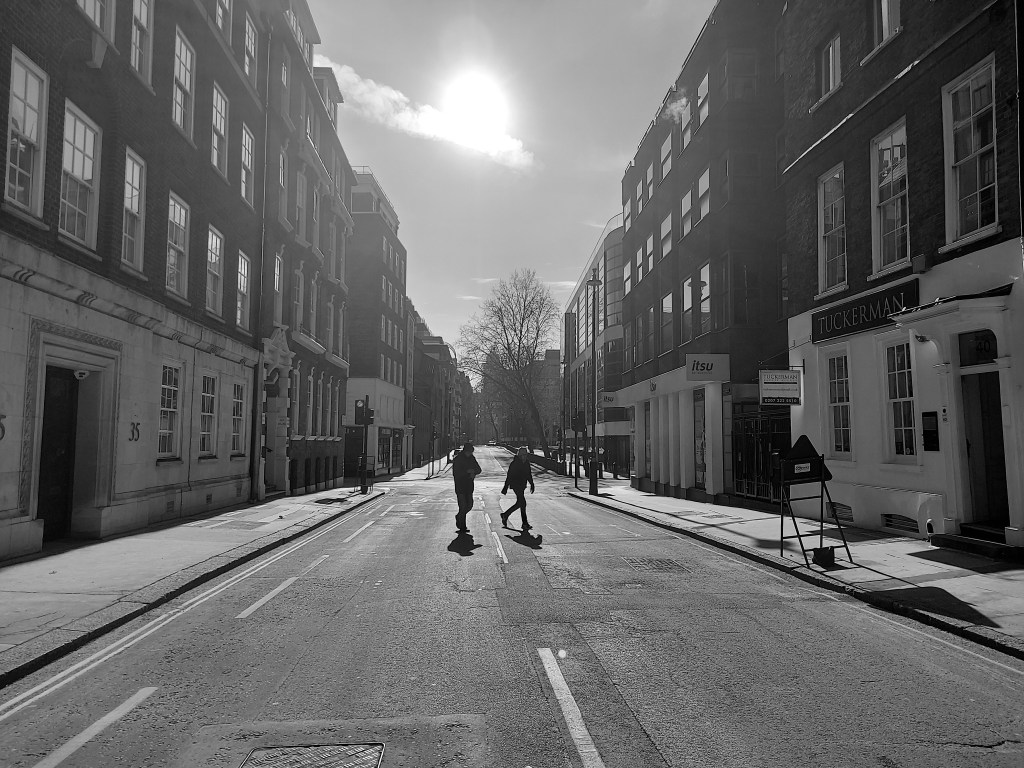
Economists predict a slow recovery. A recent poll shows that it will take at least 18 months for the UK to be anywhere near pre-Brexit and Covid levels of economic activity so the summer of 2022 might see the Union Jack stalls around Westminster Station back to their tri-coloured glory, even if somewhat at half-mast.
Other forecasts from respectable sources are just as cautious about recovery and agree that the double hit of the pandemic and Brexit will require patience, foresight and planning. But, perhaps, an equally seismic amount of restructuring will be required to lift Britain out of this economic graveyard.
Author Eddie Saint-Jean
 Westminster World